
How Asphalt Companies Ensure Long-Lasting Driveways and Walkways
A well-built driveway or walkway does more than provide a place to park or walk. It plays a central role in your property's appearance, safety, and long-term value. When installed correctly, asphalt surfaces can handle years of daily use, changing weather conditions, and heavy loads without losing their integrity. Professional asphalt companies follow a detailed approach that prioritizes preparation, material quality, and proper installation techniques. Understanding how this process works can help you make informed decisions when planning your next paving project.
Proper Site Preparation Sets the Foundation for Success
Site Evaluation and Planning
Before any asphalt is laid, experienced asphalt services begin with a comprehensive evaluation of the property. This initial step involves assessing the existing ground conditions, identifying potential drainage issues, and determining the most effective layout for the driveway or walkway.
A detailed plan allows contractors to address these challenges proactively. By analyzing how water flows across the property and how the surface will be used, they can design a layout that minimizes wear and prevents premature damage. This level of planning ensures that the finished surface performs well under real-world conditions.
Excavation and Grading for Stability
Once the plan is finalized, excavation begins. This process removes existing materials such as old asphalt, debris, or unstable soil. Reliable asphalt companies understand that a strong surface cannot exist without a stable base, so they take the time to dig to the appropriate depth.
Grading follows excavation and is one of the most critical steps in the entire process. Proper grading creates a slight slope that directs water away from the surface. Without this slope, water can accumulate on the asphalt, leading to cracks, erosion, and eventual structural failure. Contractors establish a foundation that supports both durability and effective drainage.
Installing a Solid Base Layer
After grading, a base layer is installed using compacted aggregate materials. This layer acts as the structural backbone of the driveway or walkway. Asphalt contractors rely on high-quality stone and gravel mixtures that interlock when compacted, creating a firm and stable platform for the asphalt.
Compaction is performed using heavy equipment to eliminate air pockets and ensure uniform density. A properly compacted base prevents shifting and settling over time, which are common causes of cracks and uneven surfaces. Without this step, even the best asphalt materials would fail prematurely.
High-Quality Materials and Proper Thickness Matter
Selecting the Right Asphalt Mix
Not all asphalt is created equal. Professional asphalt companies carefully select the appropriate mix based on the intended use of the surface. Driveways that support multiple vehicles or heavier loads require a different composition than walkways designed primarily for foot traffic.
The mix itself consists of aggregates, binder, and filler materials that must be balanced to achieve strength, flexibility, and resistance to environmental stress. A well-designed mix can expand and contract with temperature changes without cracking, while also maintaining a smooth and cohesive surface.
Applying the Correct Asphalt Thickness
The thickness of the asphalt plays a crucial role in the longevity of any paved surface. According to Today's Homeowner, residential driveways generally require between two and four inches of asphalt to provide adequate strength and durability. Asphalt professionals use this range as a baseline while adjusting thickness based on specific project needs.
A driveway that is too thin may not withstand regular vehicle traffic, leading to cracks and deformation. On the other hand, excessive thickness without proper base support can result in uneven settling. By applying the right thickness in combination with a strong base, contractors create a balanced structure that performs reliably under daily use.
Ensuring Proper Temperature During Installation
Temperature control is another key factor in achieving a long-lasting asphalt surface. Asphalt must be applied and compacted while it is at the correct temperature to ensure proper bonding and density. If the material cools too quickly, it can become difficult to work with and may not compact evenly.
Experienced asphalt companies coordinate delivery and installation to maintain optimal conditions throughout the process. This includes timing the project to avoid extreme weather and using efficient techniques to spread and compact the material before it cools. Proper temperature management helps create a seamless surface that resists cracking and wear.
Precision Installation Techniques Enhance Longevity
Expert Spreading and Leveling
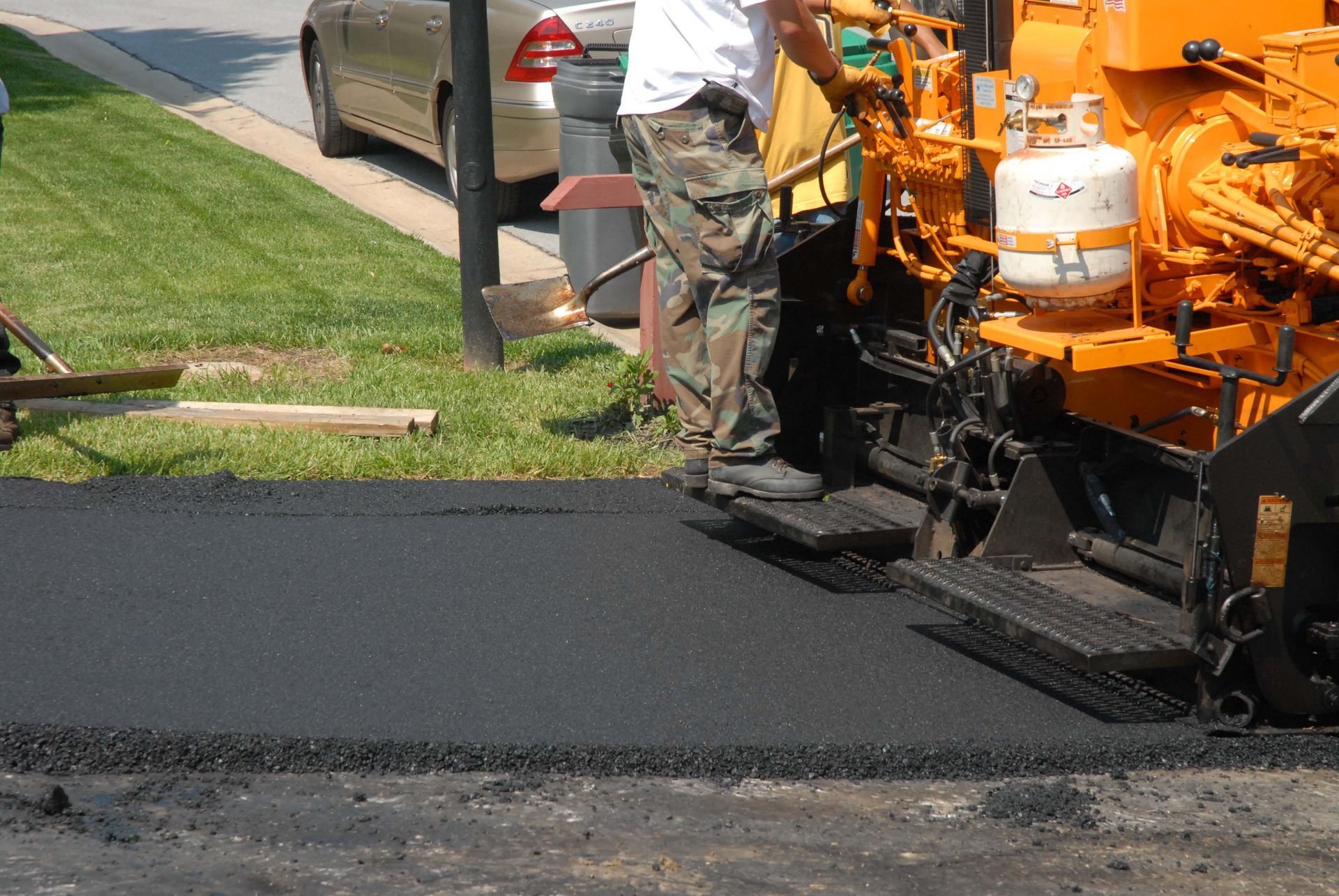
Once the asphalt is delivered, it must be spread evenly across the prepared surface. Asphalt contractors use specialized equipment to distribute the material uniformly, ensuring consistent thickness throughout the driveway or walkway. Skilled operators carefully control the process to avoid uneven areas that could compromise the surface.
Leveling is equally important, as it determines the final appearance and functionality of the paved area. A smooth, even surface not only looks better but also reduces the likelihood of water pooling or structural weaknesses. Attention to detail during this stage sets the foundation for a high-quality finish.
Compaction for Strength and Durability
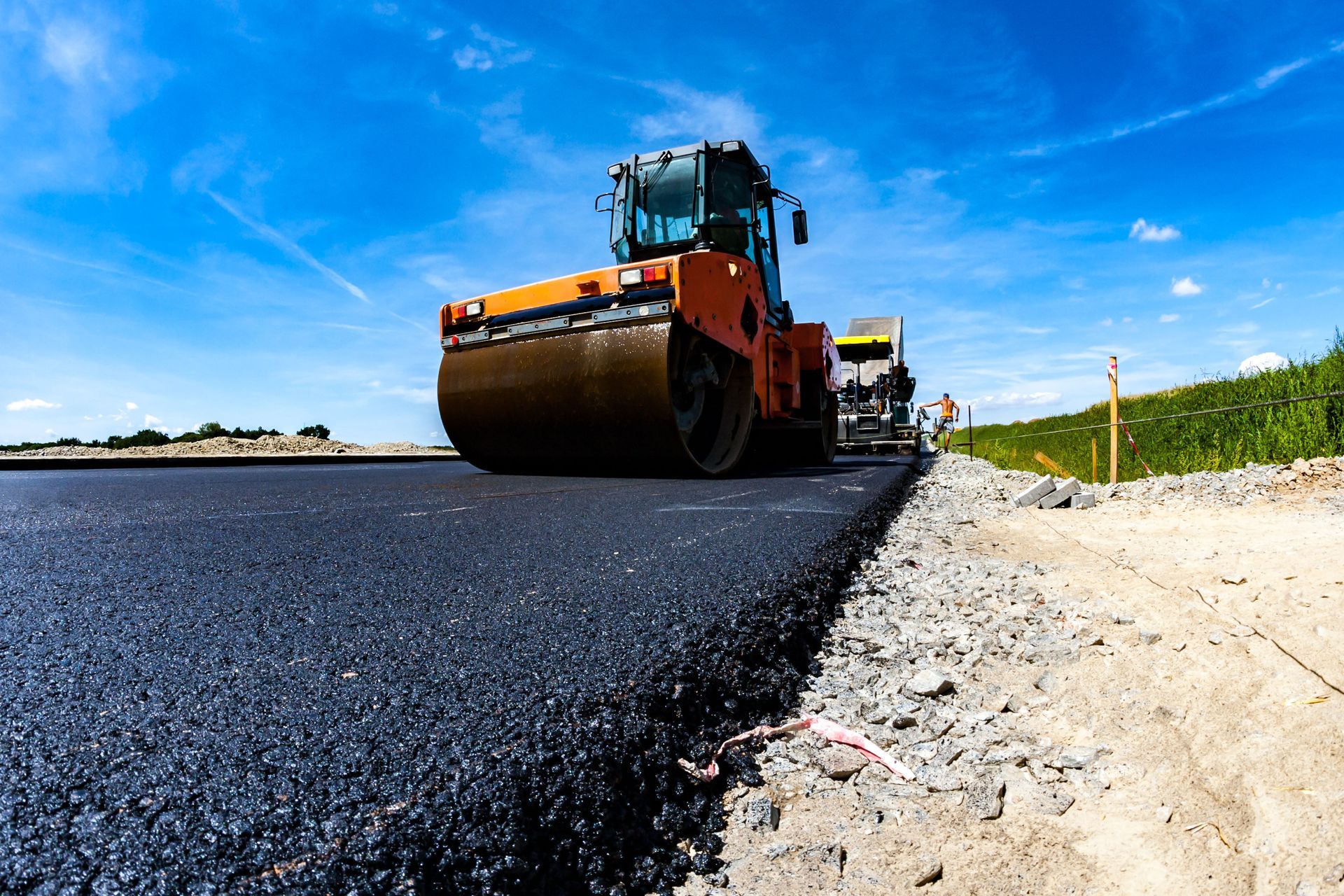
Compaction is one of the most critical steps in the installation process. Heavy rollers are used to compress the asphalt, eliminating air pockets and increasing density. Proper compaction strengthens the material, making it more resistant to cracking, moisture infiltration, and general wear.
Asphalt companies perform compaction in multiple passes, adjusting pressure and technique to achieve the desired results. This step requires both experience and precision, as insufficient compaction can lead to premature failure, while over-compaction can damage the material.
Attention to Edges and Finishing Details
The edges of a driveway or walkway are often the most vulnerable areas. Without proper support, they can crumble or deteriorate more quickly than the rest of the surface. Asphalt professionals reinforce edges by ensuring they are compacted thoroughly and, when necessary, supported with additional materials.
Finishing touches include smoothing transitions, cleaning up excess material, and ensuring that the surface is ready for use. These details may seem minor, but they play a significant role in the overall durability and appearance of the project. A well-finished surface not only performs better but also enhances the visual appeal of the property.
Ongoing Maintenance Preserves Long-Term Performance
Regular Inspections and Preventive Care
Even the best-installed asphalt surfaces benefit from routine maintenance. Asphalt companies often recommend periodic inspections to identify small issues before they become major problems. Cracks, minor surface wear, and drainage concerns can all be addressed early with simple repairs.
Preventive care helps extend the life of the driveway or walkway by minimizing damage and maintaining structural integrity. Homeowners who stay proactive with maintenance can avoid costly replacements and keep their surfaces looking and performing like new.
Seal Coating for Added Protection
Seal coating is a common maintenance practice that protects asphalt from environmental factors such as UV rays, water, and chemicals. This protective layer helps preserve the surface by preventing oxidation and reducing the impact of daily wear.
Asphalt contractors typically recommend seal coating every few years, depending on usage and climate conditions. This process not only enhances durability but also restores the rich, dark appearance of the asphalt, improving the overall look of the property.
Timely Repairs to Extend Lifespan
Over time, even well-maintained surfaces may develop minor cracks or imperfections. Addressing these issues promptly is essential for preventing further damage. Asphalt companies offer repair services such as crack filling and resurfacing to restore the surface without the need for full replacement.
Resurfacing is particularly effective when the underlying base remains intact. By adding a new layer of asphalt, contractors can extend the life of the driveway or walkway while improving its appearance. This approach provides a cost-effective solution for maintaining long-term performance.
Creating a long-lasting driveway or walkway requires more than simply laying asphalt. It involves careful planning, precise execution, and a commitment to quality at every stage of the process. From site preparation and material selection to installation and maintenance, each step plays a vital role in ensuring durability and reliability. Professional asphalt companies bring the expertise and attention to detail needed to deliver surfaces that stand up to daily use and changing conditions. Be sure to contact Bid-Rite Paving for all of your residential asphalt needs!

Share On: