
4 Things to Know Before Booking Asphalt Paving
Investing in a new driveway, commercial parking lot, or private roadway is a major financial decision that can dramatically transform your property's appearance, functionality, and long-term value. However, asphalt paving is not a simple DIY project or a one-size-fits-all product. The quality of your finished surface depends heavily on a complex mix of site preparation, material selection, climate considerations, and contractor expertise. Before signing a contract or making a deposit, it is essential to understand the fundamental aspects of the installation process. Taking time to educate yourself beforehand will ensure your investment yields a durable, smooth, and resilient surface that lasts for decades. Here are four crucial things you must know before booking your upcoming paving project.
1. Subbase Preparation Is More Critical Than the Asphalt Itself
When property owners evaluate a new driveway or parking lot, they naturally focus on the top surface—the smooth, deep-black finish of fresh asphalt. However, seasoned paving contractors know that the long-term structural integrity of any pavement depends almost entirely on what lies beneath it. Without a properly engineered, thoroughly compacted subbase, even the highest-grade asphalt mixture will crack, sink, and fail prematurely under heavy vehicle loads.
The subbase serves as the true foundation for your pavement, acting as a structural barrier that supports heavy axle weights, provides thermal insulation against freeze-thaw cycles, and allows for proper water drainage. A standard subbase consists of crushed aggregate stone installed to a specific thickness, typically ranging from 4 to 8 inches depending on whether the surface will support light passenger cars or heavy commercial trucks. Before this aggregate layer is spread, the native subgrade soil must be excavated, cleared of organic matter like tree roots, and rigorously compacted using heavy roller equipment.
If your property has soft clay soil or poor drainage, your contractor may need to install geo-textile soil stabilization fabrics or add extra crushed stone to prevent settling. Skipping or rushing subbase preparation is the single primary cause of severe pavement failure, including deep rutting, localized sagging, and alligator cracking. When getting estimates for your project, ensure every contractor provides a detailed breakdown of how they intend to prepare, grade, and compact the subbase before laying any surface material.
2. Not All Asphalt Mixtures Are Created Equal
A common misconception among property owners is that asphalt is a uniform product with a single formula. In reality, asphalt is an engineered mixture of liquid petroleum binder and carefully graded aggregate stones, formulated in various types to meet specific operational and environmental demands. Choosing the correct mixture for your specific application is essential to getting the best combination of strength, surface texture, and weather resistance.
Hot Mix Asphalt (HMA) is the industry standard for primary roadways, commercial plazas, and residential driveways. Produced at temperatures between 300°F and 350°F, HMA provides maximum structural density and a tight, waterproof surface once fully rolled and cooled. Within the category of hot mix, contractors typically lay asphalt in two distinct layers: a coarse base layer containing larger aggregate stones for maximum structural strength, followed by a fine-graded surface layer containing smaller aggregates that produce a dense, smooth, and aesthetically pleasing finish.
Warm Mix Asphalt (WMA) is a modern, eco-friendly variation manufactured at temperatures 30°F to 70°F lower than traditional HMA. It utilizes specialized additives to maintain workability while consuming significantly less energy, emitting fewer fumes, and allowing for longer haul times from the batch plant. Cold mix asphalt, by contrast, is an unheated product used almost exclusively for emergency winter pothole repairs or temporary surface patches. Because cold mix lacks the permanent structural bonding of hot mix, it should never be used as a primary material for a full installation project. Make sure to clarify with your contractor exactly which mix design and layer thickness will be used for your job.
3. Recycled Asphalt Offers Substantial Economic and Environmental Benefits
Modern sustainability efforts have transformed the construction industry, and asphalt has emerged as a premier example of environmental stewardship. If you are planning a large project on a tight budget, asking your contractor about Reclaimed Asphalt Pavement (RAP) options can deliver significant cost savings without sacrificing structural performance.
Reclaimed asphalt is created by milling up old, deteriorated roads or crushing discarded pavement slabs, which are then screened and processed back into fresh asphalt batches at the mixing plant. According to the National Asphalt Pavement Association, asphalt is America's number one most recycled material, outranking glass, paper, plastic, and aluminum combined. Tens of millions of tons of pavement are reclaimed and reused every single year across the country, keeping valuable material out of landfills and protecting natural quarries.
Because the liquid asphalt binder within old pavement retains its adhesive properties, utilizing RAP in new hot-mix formulas reduces the amount of expensive virgin petroleum binder needed for production. This material recovery translates directly into lower overall job estimates for homeowners and commercial developers. High-quality RAP mixes provide exceptional rut resistance and structural integrity, making them an ideal choice for durable, cost-effective driveway and parking lot installations. Choosing recycled options allows you to stretch your renovation budget further while participating in a circular economy that conserves finite natural resources.
4. Weather and Timing Dictate Paving Quality
Unlike concrete, which cures through a chemical hydration process, hot mix asphalt relies on heat retention and mechanical compaction to achieve structural density. This fundamental physical characteristic makes asphalt paving uniquely sensitive to weather conditions, ambient temperatures, and seasonal timing. Booking your project at the wrong time of year can lead to rapid cooling during installation, preventing workers from compacting the surface properly and resulting in a weak, crumbling finish.
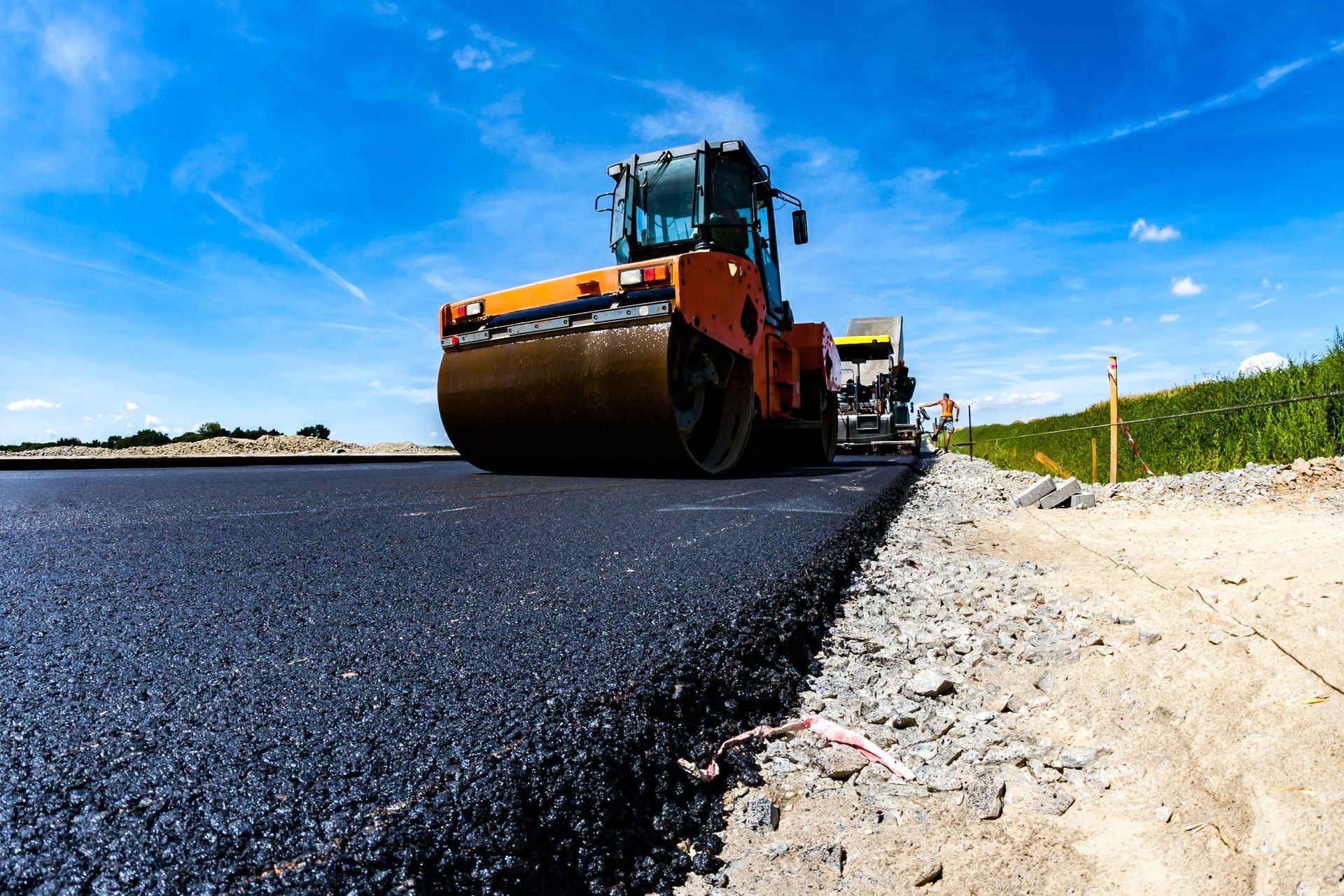
To achieve maximum density, hot asphalt must be laid and thoroughly rolled while the internal temperature of the mix remains above 175°F to 220°F. In cold weather or windy conditions, the thin layer of hot asphalt rapidly loses heat to the frozen ground and chilly surrounding air. Once the material drops below its minimum compaction threshold, no amount of rolling will bind the aggregate together. For this reason, professional contractors strictly enforce minimum temperature thresholds—typically requiring ambient air temperatures of at least 50°F and rising for surface layers.
Rain is another major obstacle to a successful installation. Laying hot asphalt over wet ground or during a rainstorm traps steam between the subbase and the asphalt layer, preventing the petroleum binder from adhering to the aggregate base. This trapped moisture causes rapid stripping, blistering, and immediate structural failure. When booking your project, plan well in advance to secure a spot during the warm, dry months of late spring, summer, or early autumn. A reputable contractor will monitor weather forecasts closely and reschedule your job if rain or cold temperatures threaten the quality of the installation.
Booking a paving project is a significant undertaking that requires careful planning, a clear understanding of materials, and a realistic long-term maintenance perspective. By evaluating subbase requirements, selecting the appropriate asphalt mix, considering sustainable recycled materials, and timing the installation for optimal weather conditions, you set the stage for a seamless construction process and a flawless final result.
The single most important factor in the success of your project is the contractor you hire. Take time to solicit multiple estimates, verify proper licensing and liability insurance, and request local references or portfolios of recently completed jobs. Avoid door-to-door operators offering "leftover asphalt from a nearby job" at unrealistically low prices, as these operations routinely skip critical subbase preparation and use substandard materials. Partnering with an established, local contractor guarantees expert craftsmanship, transparent communication, and a durable surface that elevates your property's value and curb appeal for decades to come. If you've been considering booking asphalt paving, contact Bid-Rite Paving today to learn more.
Share On: