
10 Fun Facts About Asphalt Pavement
Asphalt pavement is everywhere — from busy highways to quiet residential streets. While most people drive over it daily, few truly appreciate the fascinating details behind this essential material. Asphalt is a versatile, durable, and surprisingly complex substance that has shaped transportation infrastructure for thousands of years. Here are 10 fun facts about asphalt pavement!
1. Asphalt Has Ancient Origins
Asphalt is not a modern invention. Its use dates back thousands of years, long before the era of automobiles. Ancient civilizations, including the Babylonians, Egyptians, and Sumerians, relied on natural asphalt for a variety of purposes, per Asphalt Magazine. In Babylon, asphalt was a key ingredient in construction projects, including the legendary Hanging Gardens. Archaeological evidence shows that Egyptians used asphalt to waterproof their boats and seal tombs, including the famous mummification process. Even in Mesopotamia, roads were paved with naturally occurring asphalt to improve transport and durability.
Interestingly, ancient asphalt was harvested directly from natural deposits or crude oil seeps, shares the Virginia Asphalt Association. The material was considered valuable for its ability to bind stones, resist water, and withstand the elements. This demonstrates that even millennia ago, people recognized asphalt’s durability and versatility, qualities that continue to make it indispensable in modern infrastructure.
2. It’s Made from Crude Oil
Modern asphalt pavement is primarily derived from crude oil. During refining, crude oil is separated into lighter fuels such as gasoline and diesel, leaving behind a dense, sticky residue known as bitumen — the key binder in asphalt pavement. This binder is mixed with aggregates such as sand, gravel, and crushed stone to create asphalt concrete. The aggregate gives the pavement its strength, while the bitumen ensures flexibility and adhesion.
The precise combination of aggregates and bitumen can vary depending on climate, traffic loads, and project requirements. Engineers carefully adjust asphalt formulations to achieve desired performance characteristics. For instance, high-traffic highways may use polymer-modified asphalt, which is reinforced with synthetic additives to withstand heavier loads and extreme temperatures. This careful engineering ensures roads are both safe and long-lasting when applied by a professional asphalt company.
3. Asphalt Is 100% Recyclable
One of the most remarkable features of asphalt is its recyclability. Reclaimed asphalt pavement (RAP) can be removed from old roads, processed, and reused in new pavement projects without losing its structural integrity. In fact, asphalt recycling is one of the most successful examples of sustainable construction practices. According to the National Asphalt Pavement Association, asphalt is America's number one most recycled material!
Recycling asphalt reduces the need for new raw materials, conserves natural resources, and lowers greenhouse gas emissions. Modern recycling techniques include hot recycling, where the old asphalt is reheated and reused immediately, and cold recycling, which allows asphalt to be reused by an asphalt company without heating, saving energy and reducing environmental impact. This makes asphalt one of the most environmentally friendly construction materials available.
4. Asphalt Reduces Road Noise
Asphalt is not just a smooth surface for vehicles; it can actively reduce traffic noise. Specialized asphalt mixes, often called “quiet pavements,” are designed to absorb sound waves rather than reflect them. These pavements use open-graded aggregates that allow air to flow through small voids, dampening the sounds of tires rolling over the surface.
Quiet pavements are particularly beneficial in urban and suburban areas, where noise pollution can significantly impact residents’ quality of life. Studies have shown that roads paved with noise-reducing asphalt can lower traffic noise by several decibels compared to traditional surfaces. This combination of comfort and functionality makes asphalt not only practical but also considerate of community wellbeing.
5. It’s Flexible, Not Brittle
Unlike concrete, asphalt is flexible, which allows it to expand and contract with changes in temperature. This flexibility helps reduce cracks and potholes caused by freeze-thaw cycles in colder climates or extreme heat in warmer regions. Asphalt’s ability to bend under pressure also makes it ideal for accommodating the heavy loads of modern traffic without breaking apart.
Flexible asphalt surfaces are also easier to repair. Minor cracks or surface wear can be addressed with simple patching or overlay techniques, extending the lifespan of the pavement without the need for full reconstruction. This flexibility, combined with its durability, explains why asphalt remains a preferred material for roads, highways, airport runways, and parking lots worldwide.
6. Asphalt Is Quick to Install and Repair
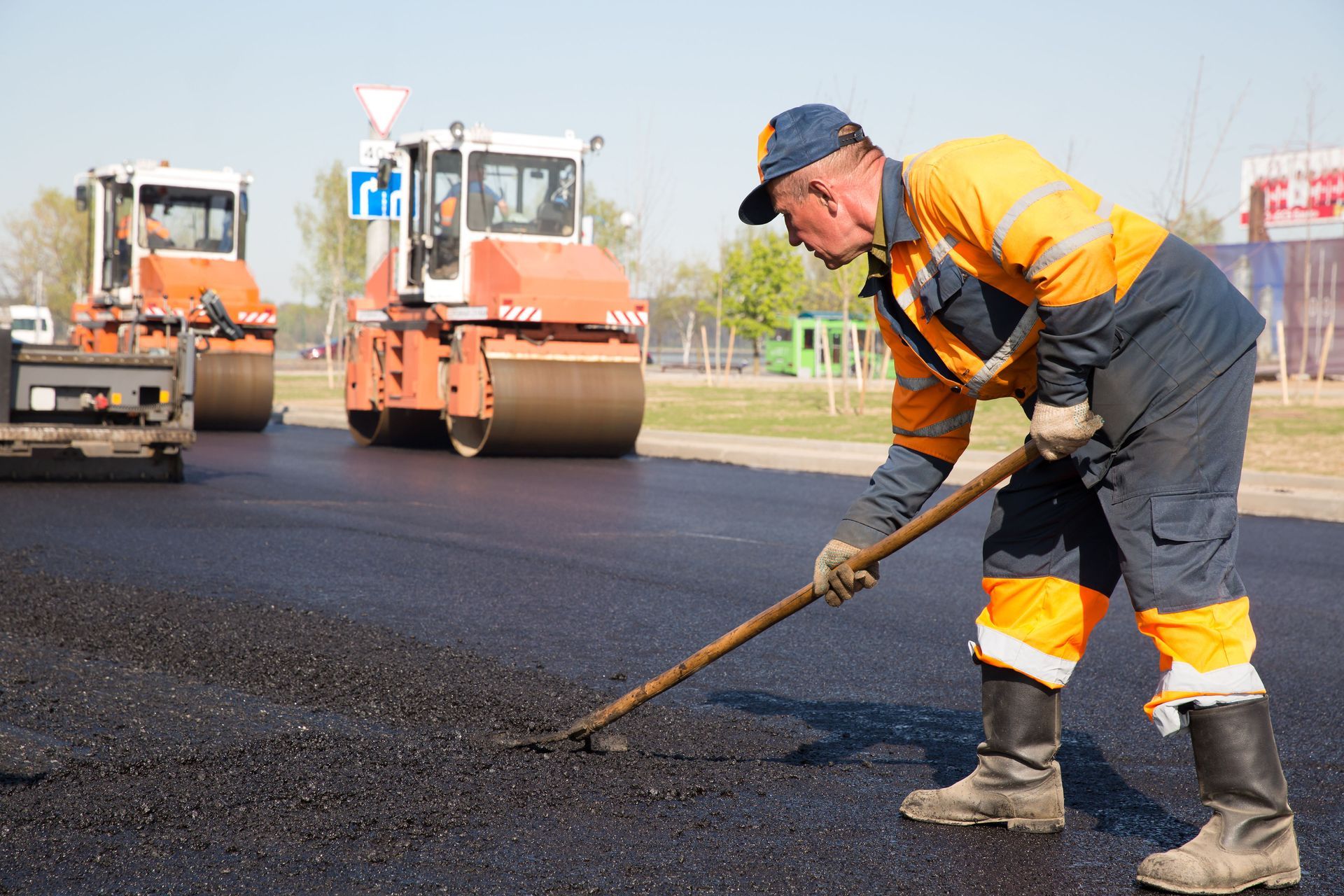
Another major advantage of asphalt pavement is the speed at which it can be installed or repaired. Unlike concrete, which may require days or even weeks to cure fully, asphalt can often be driven on within hours of installation. This quick turnaround reduces traffic disruptions, which is especially important for busy city streets and highways.
Repairs are equally efficient. Large potholes, worn-out sections, or surface cracks can be filled or resurfaced rapidly, minimizing inconvenience for commuters. Because asphalt construction is faster and more adaptable than many alternatives, municipalities often choose it to save both time and money while keeping roads functional and safe.
7. Asphalt Absorbs Sunlight
Asphalt is naturally dark in color, which enables it to absorb and retain heat from sunlight. This can be advantageous in winter, as the warmth helps melt snow and ice more quickly, improving road safety. However, it can also make asphalt roads extremely hot during summer months, sometimes reaching surface temperatures above 60°C (140°F), reports Scientific American magazine.
To address heat concerns, researchers have developed reflective or “cool” asphalt technologies that incorporate lighter-colored aggregates or additives to reduce heat absorption. These innovations help mitigate the urban heat island effect, making cities cooler while maintaining the strength and durability that asphalt provides. The combination of natural heat absorption and modern engineering demonstrates how asphalt adapts to environmental challenges.
8. It Can Be Used for More than Roads
While asphalt pavement is most commonly associated with streets and highways, its uses extend far beyond transportation. Asphalt is widely used in airport runways, parking lots, bike paths, sports courts, and even playground surfaces. Its waterproof and durable nature also makes it suitable for roofing materials, where it protects structures from moisture and weather damage.
In addition, asphalt is increasingly used in creative infrastructure projects. For example, some parks feature asphalt-based walking trails that provide smooth, long-lasting surfaces, while certain artistic installations use colored or patterned asphalt to enhance aesthetics. This versatility makes asphalt one of the most adaptable materials in construction and urban design.
9. Asphalt Is a Science as Well as an Art
Designing asphalt pavement is far from simple. Engineers must consider traffic load, climate, soil conditions, and aggregate types to create surfaces that will endure for decades. Advances in asphalt technology, such as polymer-modified asphalt, warm-mix asphalt, and porous pavements, allow roads to perform better under heavy loads, extreme temperatures, and high rainfall areas.
Modern asphalt engineering involves computer modeling, laboratory testing, and field trials to optimize performance. Engineers also study the effects of vehicle speed, tire friction, and environmental conditions to ensure that roads are not only durable but also safe. The combination of science and craftsmanship ensures that asphalt remains a reliable and effective choice for transportation infrastructure worldwide.
10. Roads Built with Asphalt Can Last Decades
With proper design and maintenance, asphalt roads can last 20 to 30 years or more, states the Tampa Bay Times. Routine upkeep, including sealcoating, crack filling, and resurfacing, extends the lifespan of asphalt surfaces while maintaining smooth, safe driving conditions. Flexibility, durability, and recyclability all contribute to the long-term performance of asphalt roads.
Major highway projects often rely on asphalt because it can handle constant, heavy traffic while remaining cost-effective over time. Even residential streets benefit from asphalt’s longevity and ease of maintenance. Combined with modern innovations and sustainable practices, asphalt pavement continues to serve communities around the world efficiently and reliably.
Asphalt pavement is far more than just a black surface under our tires. It has deep historical roots, complex scientific foundations, and practical applications that touch nearly every aspect of modern life. From ancient civilizations to modern smart cities, asphalt continues to evolve and improve, making it one of the most fascinating and essential materials in human history. To get started with quality asphalt pavement services in the Louisville, KY area, contact our team at Bid-Rite Paving!


Share On: